Trying to choose between the Village of Liverpool and the surrounding suburban parts of Liverpool, NY? It can look like one market at first, but your day-to-day experience may feel very different depending on where you land. If you are weighing walkability, home style, commute patterns, and the overall feel of each area, this guide will help you sort through the tradeoffs with more clarity. Let’s dive in.
Liverpool Is Not One Uniform Market
When people say “Liverpool,” they may be talking about two distinct living patterns. The Village of Liverpool is a compact incorporated area of about 1 square mile with roughly 2,600 residents on the north shore of Onondaga Lake. The surrounding suburban areas sit within the broader Town of Salina, where land uses are more spread out and separated by zoning.
That difference matters because it shapes how you live each day. In the village, you are more likely to find a self-contained setting with shops, restaurants, parks, and lakeshore trails nearby. In the surrounding suburban neighborhoods, you are more likely to find residential streets with a more car-oriented routine.
Village Living in Liverpool
A More Compact Daily Rhythm
The Village of Liverpool offers the more walkable option, both in planning and in practice. Village zoning describes parts of the area as traditional, sidewalk-connected, and walkable. The village also highlights access to shops, restaurants, neighborhood parks, and lakeshore trails, which adds to that compact feel.
If you like the idea of getting out on foot for errands, a meal, or outdoor time, the village may feel more convenient. Recreation near the village core includes trails for walking, running, bicycling, and in-line skating, along with village-based amenities such as the skate park. The area also hosts recurring events like Porch Fest and summer concerts, which can add to the sense of activity around the village center.
Housing With Older Character
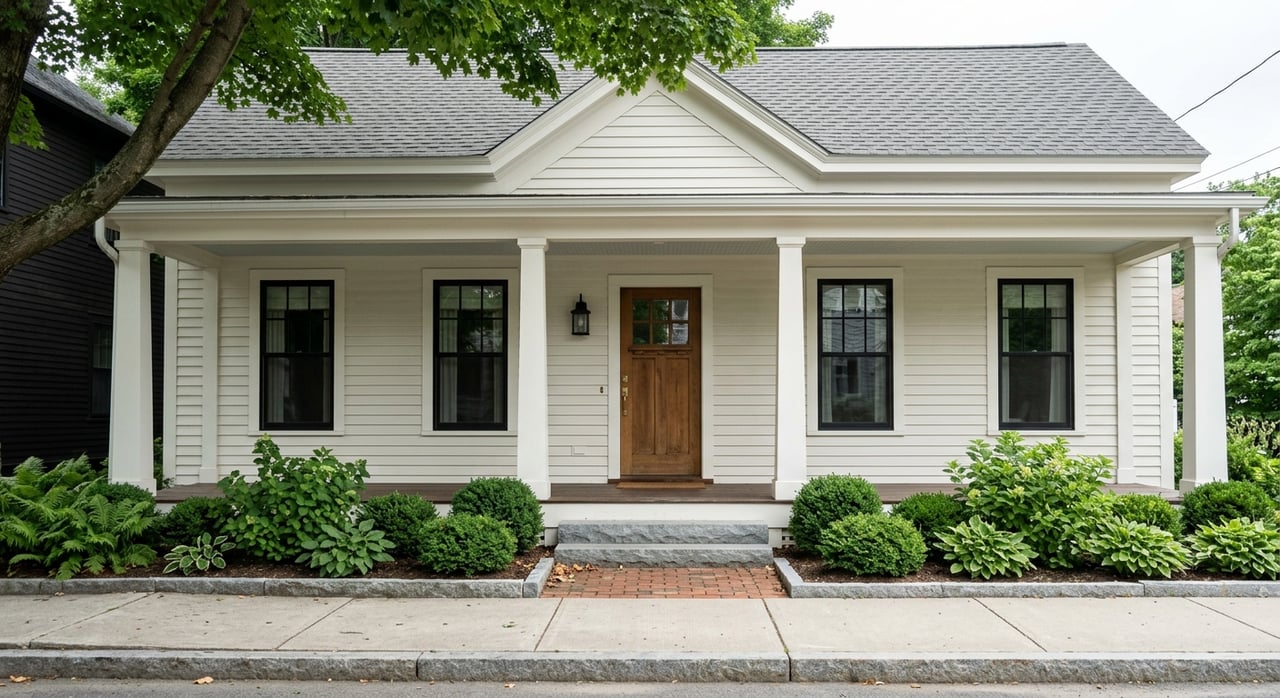
Village housing tends to reflect an older development pattern. The local code references historic homes, mature street trees, and a traditional neighborhood fabric. Data in the research report shows that 46.9% of village homes were built before 1940.
That does not mean every home looks the same. The village includes single-family homes, two-family homes, small apartment buildings, and mixed-use blocks, so you may see a wider mix of building types on the same general grid. Detached homes still make up the largest share at 63.0%, but multifamily housing also has a visible presence.
Mixed Uses and More Variety
One of the biggest differences in the village is land-use variety. Zoning includes single-family, two-family, high-density residential, and mixed-use business districts. In practical terms, that means you may find homes, apartments, and commercial spaces closer together than you would in a suburban-only setting.
For some buyers, that mix is a major plus. It can create a more connected lifestyle with easier access to amenities and a little more street activity. For others, it may feel less private or less predictable than a neighborhood made up mostly of homes.
Suburban Living in Liverpool
A More Separated Neighborhood Pattern
Outside the incorporated village, the Town of Salina uses separate zoning districts for one-family, one- or two-family, multiple-residence, open-land, and planned-mobile-home areas. In the town’s residential districts, commercial uses are prohibited, and uses that generate unusual traffic on residential streets are discouraged. That structure creates a more conventional suburban layout.
If you picture suburban living as quieter residential streets and a clearer separation between homes and businesses, this is the pattern you are more likely to find outside the village. The overall rhythm is less centered on walking to daily needs and more centered on driving between destinations.
Lot Size Is Not the Whole Story
Many buyers assume village means smaller lots and suburbs mean larger lots, but the research report shows that lot size alone does not fully define the difference. In the Town of Salina, the R-1 district starts at 4,000 square feet, and the R-1A district is intended for existing smaller-sized lots at greater density. The R-2 district requires 6,000 square feet for one-family homes and 10,000 square feet for two-family homes.
That means the clearer distinction is not just lot dimensions. It is the broader land-use pattern. The village concentrates mixed-use areas and higher-density pockets, while suburban Liverpool separates residential uses more deliberately.
A Car-First Routine
In suburban Liverpool, errands and commuting are more likely to revolve around driving. The town code discourages commercial uses on residential streets, so daily needs are generally less likely to be woven directly into neighborhood blocks. That can make the area feel more residential, but it often means less of a walk-to-errands lifestyle.
Transit is still part of the picture, though in a different way. Centro’s Liverpool service includes routes and park-and-ride options that are built more around driving to a stop and then riding into Syracuse or other destinations. For many households, that supports a practical commute without changing the car-based feel of daily life.
Commute and Ownership Patterns
Commute data adds another useful layer. Village of Liverpool residents report a median commute of 15.2 minutes, and 71.7% drive alone. Public transit use is low at 0.6%, while 14.3% work from home.
In the larger Town of Salina, the reported mean commute is 17.9 minutes. The owner-occupied housing rate is 68.7% in the town compared with 62.2% in the village. That suggests the village has a somewhat more mixed housing stock and renter presence, while the surrounding town skews more toward owner-occupied suburban housing.
How to Decide What Fits You Best
Choose the Village if You Value Convenience
The village may be a better fit if you want:
- Sidewalk-connected streets
- Easier access to shops and restaurants
- Lakeshore trails and nearby recreation
- Older homes with historic character
- A more compact, mixed-use setting
This option often appeals to buyers who care about walkability, variety in housing types, and a more active village core.
Choose the Suburbs if You Value Separation
The surrounding suburban areas may be a better fit if you want:
- More clearly residential neighborhood patterns
- Greater separation between homes and commercial uses
- A more conventional suburban routine
- A car-oriented layout for errands and commuting
- Housing choices across several residential zoning patterns
This option often appeals to buyers who prefer a more traditional suburban structure and a neighborhood feel shaped mainly by residential use.
What Sellers Should Keep in Mind
If you are selling in Liverpool, your location within the village or the surrounding suburban area can influence how buyers see your home. A village property may attract buyers looking for walkability, older character, and access to amenities. A suburban property may stand out to buyers who want a more residential setting and a car-based daily routine.
That is why positioning matters. Buyers are not just comparing square footage or bedroom counts. They are also comparing lifestyle patterns, convenience, housing mix, and how each area feels from one block to the next.
The Bottom Line on Liverpool Living
The best choice comes down to how you want your day to work. The Village of Liverpool offers a compact, amenity-rich setting with stronger walkability, older housing stock, and more mixed-use character. Suburban Liverpool offers a more separated residential landscape with a conventional suburban feel and a stronger car-first pattern.
Neither option is better in every case. The right fit depends on whether you value being close to daily amenities on foot or prefer a neighborhood pattern that feels more distinctly suburban. If you are comparing homes in both settings, a clear understanding of those tradeoffs can help you buy or sell with more confidence.
If you are thinking about buying or selling in Liverpool, working with a local advisor who can help you weigh lifestyle, pricing, and resale factors can make the process much easier. To start the conversation, connect with Robert Zaccaria.
FAQs
What is the difference between Village of Liverpool and suburban Liverpool?
- The Village of Liverpool is a compact incorporated area with more walkability, mixed-use areas, and older housing, while suburban Liverpool in the Town of Salina is generally more residential, spread out, and car-oriented.
Is the Village of Liverpool more walkable than suburban Liverpool?
- Yes. The research report shows the village is the stronger walkable option, with sidewalk-connected areas, shops, restaurants, parks, and lakeshore trails closer to the village core.
Are homes in the Village of Liverpool older than homes in surrounding areas?
- Village housing includes a notable share of older homes, with 46.9% of homes built before 1940 according to the research report.
Does suburban Liverpool always mean larger lots?
- Not necessarily. The research report notes that lot size alone does not clearly separate village from suburb, because some town residential districts also allow relatively small lots.
Is commuting from Liverpool convenient?
- Commute times in both settings are relatively manageable based on the research report, with village residents reporting a 15.2-minute median commute and the Town of Salina reporting a 17.9-minute mean commute.
Which Liverpool setting may suit buyers who want a residential-only feel?
- Suburban Liverpool may be the better fit for buyers who want more separation between homes and commercial uses, since the town’s residential districts prohibit commercial uses on residential streets.
