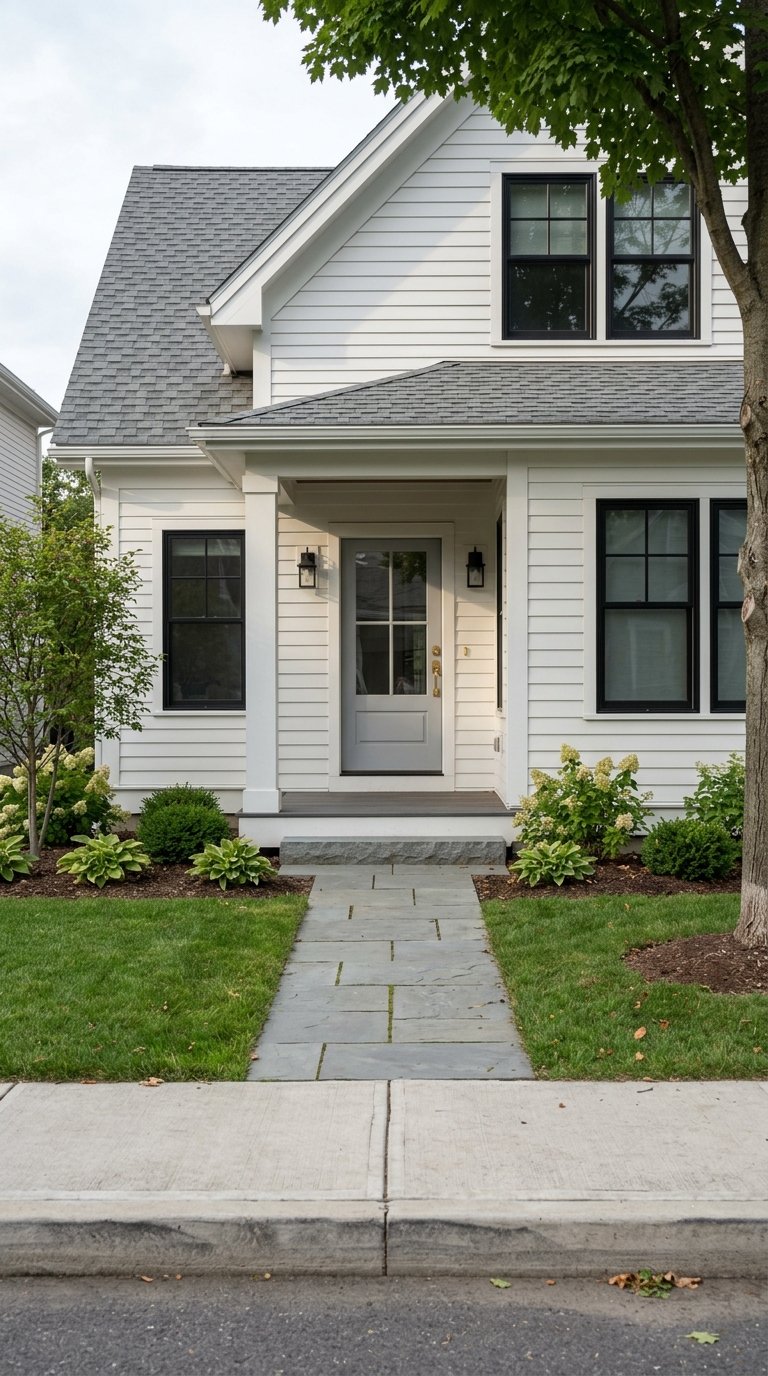
If you want a place that feels established, easy to navigate, and connected to everyday conveniences, Liverpool deserves a closer look. Many buyers are searching for that sweet spot between village character and practical access to the Syracuse area, and Liverpool offers a compelling version of both. From historic homes to lakefront recreation and a manageable commute, this village packs a lot into a small footprint. Let’s dive in.
Liverpool at a glance
Liverpool is a small incorporated village in the Town of Salina on the north-central edge of Onondaga County, along the southwest shore of Onondaga Lake. County and village sources describe it as roughly one square mile with about 2,600 residents, yet more than 35,000 people travel through the village daily. That contrast helps explain why Liverpool can feel compact and local while still staying plugged into the wider region.
For you as a buyer or future resident, that usually means you get a recognizable village center rather than a spread-out suburban layout. At the same time, you are not cut off from work, errands, or activity in the Syracuse metro. Liverpool feels like a home base with movement around it.
Liverpool has real village character
One of the biggest things people notice about Liverpool is that it does not feel like a brand-new planned community. Its roots go back to 1830, when the village was incorporated, and its history ties closely to the salt industry and later willow weaving. That history still shows up in the built environment and overall rhythm of the village.
Instead of blocks filled with similar new construction, you are more likely to find older streets, established homes, and a center that feels layered over time. The village also promotes its unique shops, restaurants, neighborhood parks, and lakeshore trails, which reinforces that small-town feel. If you like places with a sense of identity, Liverpool has one.
What homes are like in Liverpool
If you are house hunting in Liverpool, it helps to know that the housing stock in the village core leans historic and mature. Local walking tour materials highlight Greek Revival, Italianate, Queen Anne Revival, and other older architectural styles, along with a Sears-Roebuck kit house and a Greek Revival cobblestone house. In simple terms, this is a place where the homes often come with personality.
That does not mean every property is ornate or highly historic, but it does mean the village center tends to offer more architectural variety than newer subdivisions. Some blocks also mix residential and business uses, which adds to the village atmosphere. If you appreciate charm, established streets, and homes with character, Liverpool stands out.
Recent building activity inside the village has been modest. County records show 108 apartment units in 2019, 2 apartment units in 2022, and 1 single-family unit in 2023. For buyers, that suggests your search may focus more on existing homes and limited infill rather than a large supply of brand-new construction.
Daily life feels compact and convenient
A big part of living in Liverpool is being able to enjoy a compact setting with practical everyday access. The village highlights local shops, restaurants, parks, and lakeshore trails, which supports the idea that many daily activities can happen close to home. That can make a difference if you value convenience without needing a massive footprint.
Liverpool also has a busier feel than some small villages because so many people pass through it each day. Rather than feeling isolated, it often feels active and connected. For many buyers, that creates a good balance between neighborhood feel and useful energy.
Onondaga Lake Park shapes the lifestyle
If there is one amenity that defines Liverpool, it is Onondaga Lake Park. Onondaga County Parks lists trails, bike trails, a boat launch, marina, picnic areas, playgrounds, swimming, a skatepark, rentals, and walking and hiking paths in Liverpool. The county also notes that the park attracts more than one million visitors annually.
That matters because this is not just a nice extra on the map. It is part of how many people experience the village on a regular basis. Whether you like walking, biking, spending time near the water, or having outdoor space close by, the park gives Liverpool a strong lifestyle advantage.
For buyers comparing communities in Central New York, this can be one of Liverpool’s clearest strengths. You are not just buying a house. You are buying access to one of the area’s major recreational anchors.
Commuting from Liverpool to Syracuse
Liverpool is especially appealing if you want easier access to Syracuse while keeping a village setting. NYSDOT identifies I-81 as a major commuter route that provides access to jobs, businesses, and services in downtown Syracuse and on University Hill. That places Liverpool within a practical Syracuse commute pattern.
For many residents, a car will still be the main way to get around. But Liverpool’s location means you are not on the far edge of the metro trying to piece together a difficult daily drive. It is a community that fits naturally into the region’s broader work and service network.
Public transit is a useful backup
While many small villages are almost entirely car-dependent, Liverpool has more transit support than you might expect. Centro lists Liverpool-specific routes including SY 46, Liverpool - Route 57, and SY 48, Liverpool - Morgan Rd. Stops appear near places like Old Liverpool Road, 1st Street and Cypress Street, Oswego Road and Tulip Street, and the Morgan Road corridor.
Centro also identifies the downtown Syracuse Transit Hub as the central transfer point for the county bus system and notes Park-N-Ride options for riders who do not live directly on a route. For you, that means public transit may not replace a car completely, but it can offer flexibility. That is especially helpful for commuting, occasional city trips, or households trying to reduce how much they drive.
Is Liverpool more village-like or suburban?
This is one of the most common questions buyers ask, and the answer is really both. In the core, Liverpool feels village-like because of its older housing stock, mixed-use stretches, local businesses, and compact layout. It has the kind of identity that comes from history, walkable amenities, and a visible town center.
At the same time, its traffic patterns, commute access, and connection to the Syracuse area give it a practical suburban function. You are not choosing a remote village with limited options. You are choosing a place with village character that still works well for modern day-to-day life.
Who may enjoy living in Liverpool
Liverpool can appeal to several kinds of buyers because it offers both lifestyle and utility. If you are a first-time buyer, the village setting, access to recreation, and connection to Syracuse may give you a lot of value in one place. If you are moving up, the established setting and practical commute can also make it a smart long-term option.
It may also appeal to buyers who are drawn to homes with character rather than a fully new-construction environment. The village has a stronger sense of place than many areas defined mostly by recent development. That can be especially attractive if you want your home search to include not just square footage, but context.
What to keep in mind as you search
Because Liverpool’s housing stock is older and recent new construction inside the village has been limited, inventory can feel different from what you see in newer suburban neighborhoods. You may need to look closely at condition, updates, layout, and how each home fits your goals. In a market like this, understanding the difference between cosmetic charm and true long-term value matters.
It also helps to think about lifestyle fit. Some buyers will love the older village fabric, closeness to the lake, and compact setting. Others may prefer a more spread-out neighborhood or a larger share of newer homes, so knowing your priorities early can save time.
Liverpool tends to work best for buyers who want a location with history, convenience, and outdoor access in one package. If that mix sounds like what you have been looking for, it is a village worth exploring in person.
If you are considering a move to Liverpool or comparing it with other Central New York communities, working with a local agent who understands both the numbers and the lifestyle details can make your search much clearer. When you are ready to talk through neighborhoods, pricing, or what kind of home best fits your goals, connect with Robert Zaccaria.
FAQs
What is everyday life like in Liverpool, New York?
- Liverpool offers a compact village setting with local shops, restaurants, neighborhood parks, lakeshore trails, and easy access to the broader Syracuse area.
What kinds of homes are common in Liverpool, New York?
- Many homes in the village core are older and established, with architectural styles that include Greek Revival, Italianate, Queen Anne Revival, and other historic forms, plus limited infill.
Is Liverpool, New York good for outdoor recreation?
- Yes. Onondaga Lake Park is a major local amenity with trails, bike paths, a boat launch, marina, picnic areas, playgrounds, swimming, a skatepark, rentals, and walking paths.
How do people commute from Liverpool, New York?
- Many residents rely on a car, and Liverpool is well positioned for travel into Syracuse via major regional routes like I-81.
Does Liverpool, New York have public transportation?
- Yes. Centro serves Liverpool with routes including SY 46, SY 48, and Liverpool - Route 57, along with Park-N-Ride options and connections through the downtown Syracuse Transit Hub.
Is Liverpool, New York more historic or more suburban?
- Liverpool feels historic and village-like in its core, but it also functions as part of the larger Syracuse metro because of its commute access and daily connectivity.
